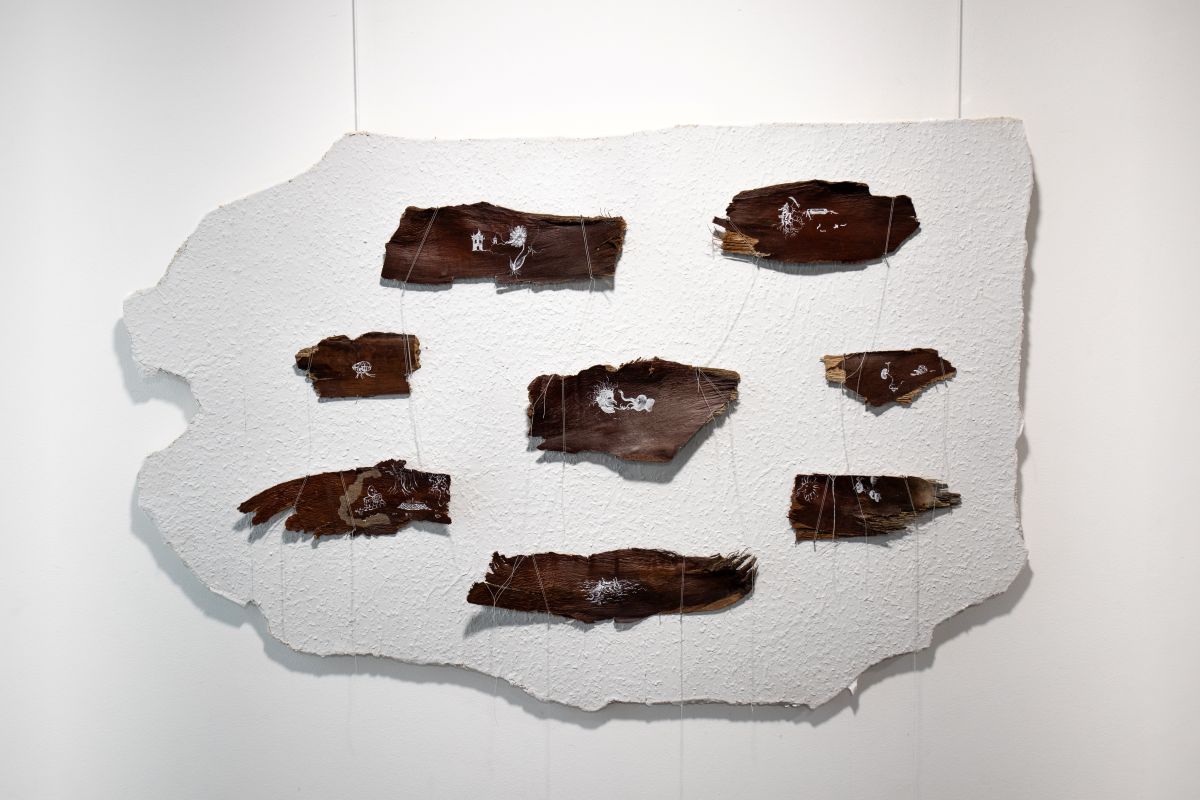
Flynne’s Barn and the Poorly Project, despite being very different initiatives, have loads in common. This was one reason for wanting to interview Cengizhan Sen. We met Cengi back in 2023 when he attended a Stay at Flynne’s Barn, after which he wrote a blog about the importance of community. Meanwhile he was planning The Poorly Project, which launched in early 2025.
Poorly presents Tales – each Tale is an interview with a particular artist – these are moving and rich explorations of personal and social experiences of illness. As a growing body of work, they offer a broader commentary on tensions in the lived experiences of illness, and the ways in which these can be ignored or silenced in society. Poorly gives us these stories, eases these tensions and finds silver linings.
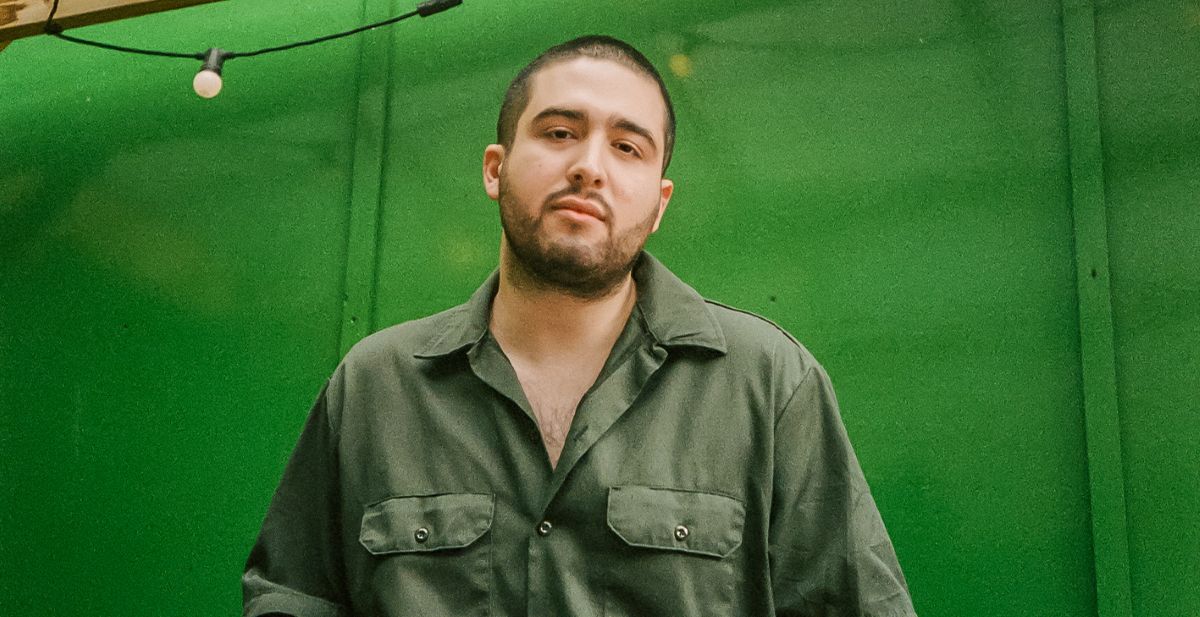
ROBIN: For people who don’t know about the Poorly Project, maybe you can say a little bit about what it is.
CENGI: The Poorly Project is a curatorial and editorial initiative. It is dedicated to artists, makers and craftspeople who are contributing to the subjects of sickness, health and well-being.
ROBIN: And how about the name?
CENGI: The word ‘poorly’ is very British. Whenever someone is feeling unwell, the comment is that they’re feeling poorly. The word also reflects a social deflection towards sickness. Rather than stating that a person is living with a chronic health condition or a terminal illness, the word ‘poorly’ is used as a substitute, as a way of softening or deflecting from the crude reality.
ROBIN: What was the inspiration for the project?
CENGI: Poorly’s establishment initially came from working in the arts. I was based in the creative, non-profit sector, working for a charity called the Sarabande Foundation, and within my role in the charity, I was supporting emerging creatives through a myriad of forms.
But amidst my career, I found out that I had Hodgkin’s Lymphoma. There was this reoccurring thought that cancer exists in a field of misinformation and a lack of awareness.
I asked myself – if this is the condition for cancer, what does that mean for all the other conditions and health narratives that exist beyond it? What happens to them?
It was this need to rekindle my love for creativity, but also this growing appreciation for storytelling, and likewise, knowing that there are things that exist beyond myself, my own condition, and wanting to learn more about those narratives.
If a person has a specific condition, there are crossovers between different stories and different practices. Through Poorly, everyone is co-learning about different conditions and the different ways that creativity feeds into that. Initially it was driven by my own experiences, but now it’s become driven by learning from one another.
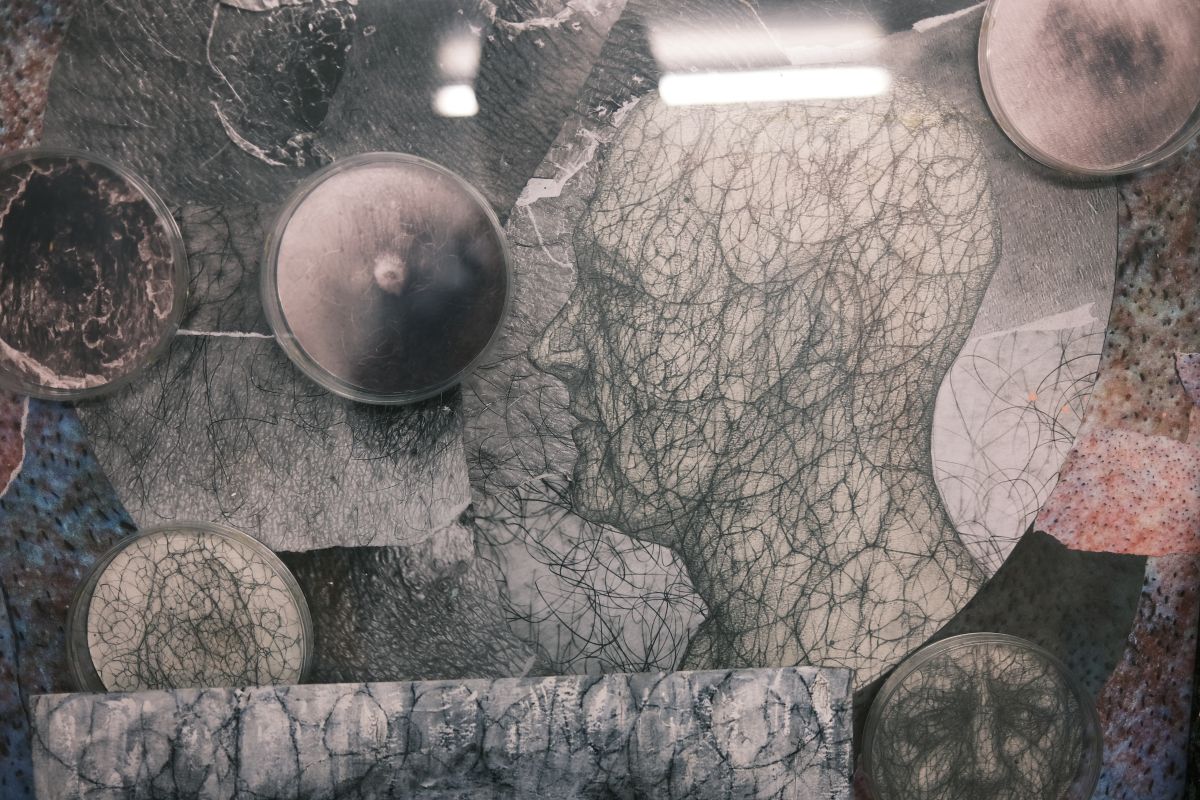
ROBIN: Your work focuses on illness narratives. What’s the impact on you been like?
CENGI: For me, it’s been a great demonstration of co-learning, and that co-learning being amplified through the community and interactions with the artists and their tales.
I’m speaking to the artists, and I’m re-evaluating how I approach and view things. It’s allowing me to see if there’s other ways of seeing. Artist Sarah Davis said something profound to me, on how she views cancer as a mistake. There’s a lot of self-blaming and self-interrogation attached to cancer. We question ourselves – ‘What did I do to get cancer? What could I have done better? Where did I make a mistake?’ – ascribing everything to the self and our own responsibility.
But for Sarah to view it as just this mistake, it offered liberation. Not everything has to be attributed to our own shortcomings or perceived wrongdoings. Things just happen. The body makes mistakes. And whilst I know some may disagree or hold a different perspective, it allowed me to reassess my own perspective.
ROBIN: There’s a quote from one of the tales – “Sometimes you need to look for the silver linings and silver beads, the diamonds of life”. In the mental health field, this is referred to as people growing through adversity.
CENGI: I think about Poorly in an emotional way. Poorly was my first step back into creativity, and a big part of re-interacting with the world, both as an individual and as a creative professional. Poorly is my silver lining.
I hope that Poorly can reaffirm that there is space for healing and transformation, and that creativity can be a great vessel for that.
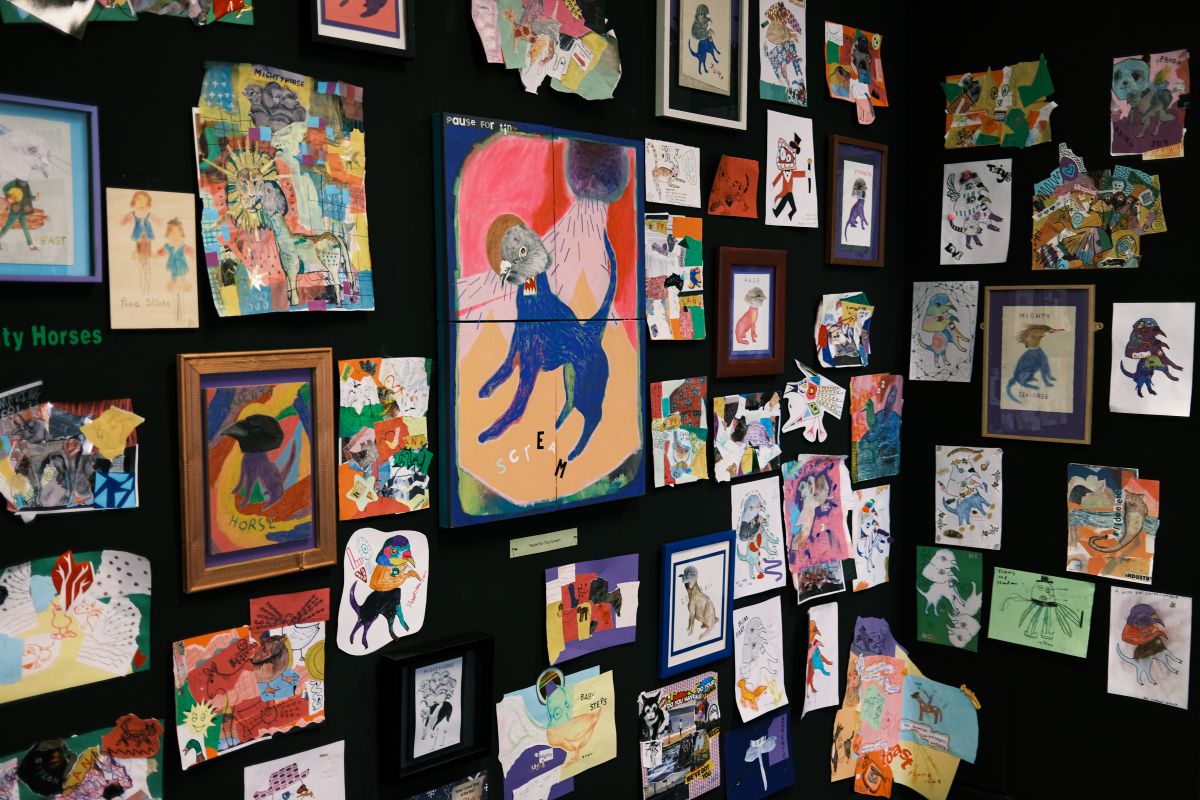
ROBIN: The last tale I read was about accessibility and it showed this lovely wooden ramp. The aesthetics of access and disability was just beautiful.
CENGI: Working on Poorly and working within the realm of health has made me realise how nuanced and diverse the conversation around health is.
There is acknowledgement of how disability can be caused by a chronic health condition. Then there are conversations around the definitions of disability. How does one apply the term ‘disabled’ to oneself? There’s also the term ‘dynamic disability’. Poorly just makes me realise the multitude of layers that exist within this conversation around health, sickness and wellbeing.
It shows flexibility with self-identification and the application of terms or ideas upon oneself. There’s autonomy. It’s acknowledging that there is this diversity of conversation and that we approach it from the standpoint that most benefits our personal, fulfilling navigation.
The complexity is just a testament to the diversity of the human experience.
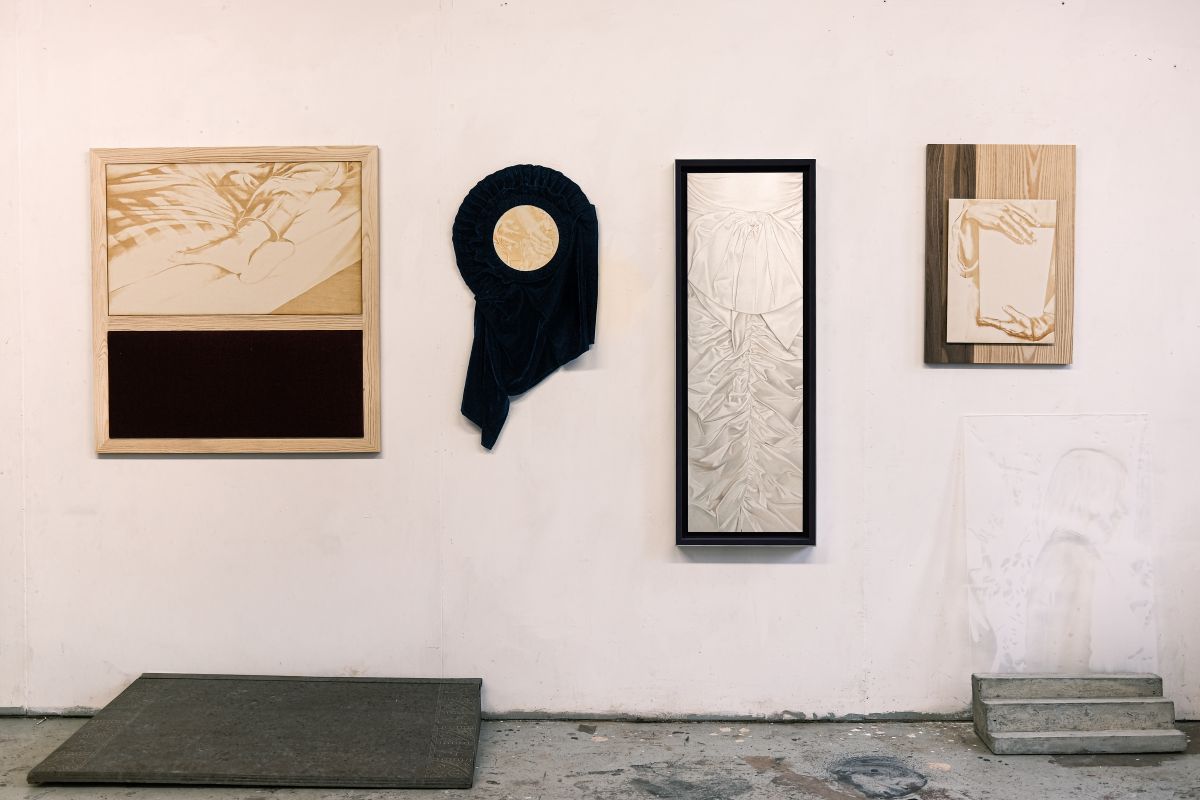
ROBIN: And how looking away or the silencing aspect can naturally happen in relation to health because people are frightened or misinformed.
CENGI: It’s been a conversation that’s been lying hidden and sidelined for so long, but because it’s now emerging, people who have not been involved in these conversations before are becoming witness to it.
Diversity is enriching and expands the language that people can use, and therefore people can feel more seen, heard and able to participate in the conversation.
Poorly still has a lot to explore within curatorial care and responsibility. I think about the breadth of conversation that still remains to be had. It’s better to have the conversation than to neglect it.
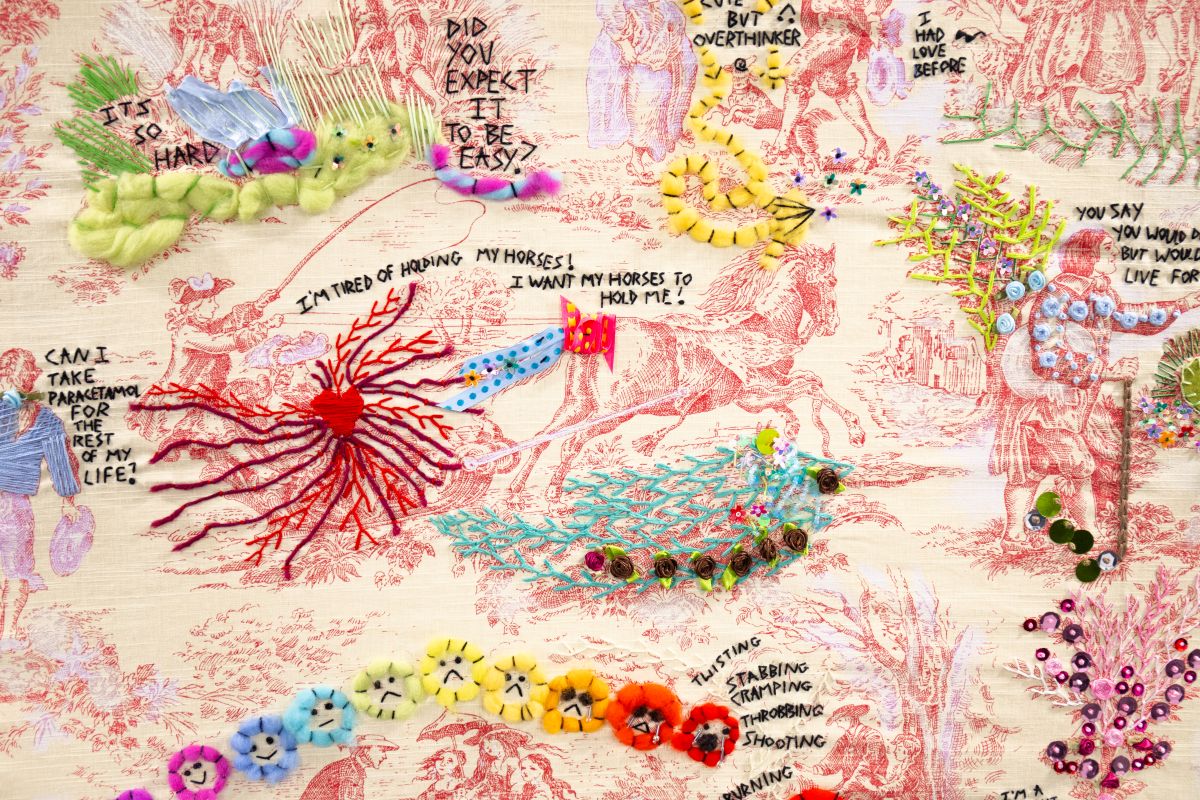
This image is courtesy of Creative Health Camden
ROBIN: We met through Flynne’s Barn originally, a little while before The Poorly Project began. I’d be curious if you have any thoughts about any overlaps or synergies between The Poorly Project and Flynne’s Barn.
CENGI: I wrote a piece for Flynne’s Barn about the need for community, and how the word ‘community’ itself was quite sour to me at the time. Going to Flynne’s Barn, as a lymphoma patient-in-remission, I mainly knew about my own treatment, side effects and my understanding of the ‘new normal’.
Going into Flynne’s Barn, hearing about other cancer experiences and the different strains of cancer reaffirmed the sense that I know a lot about my own cancer, but there’s other conditions, other realities beyond my own that I’ve not yet recognised. Flynne’s Barn was a great way for me to understand that there’s so much still to learn. The exchange of stories and support I received by being at Flynne’s Barn was outstanding.
I had conversations that I hadn’t shared with anyone about having cancer – the realities, humour and hope amidst all the chaos of cancer – it was lovely to hear. Those aspects from my time at the retreat are anchored to Poorly.
The co-learning and anecdotes shared between myself and other retreat-goers is mirrored in the conversations with the Poorly artists. We’re learning, laughing and finding the silver lining within it all. Flynne’s Barn reminded me of the essentiality of community and Poorly allowed me to take those experiences and strengthen them.
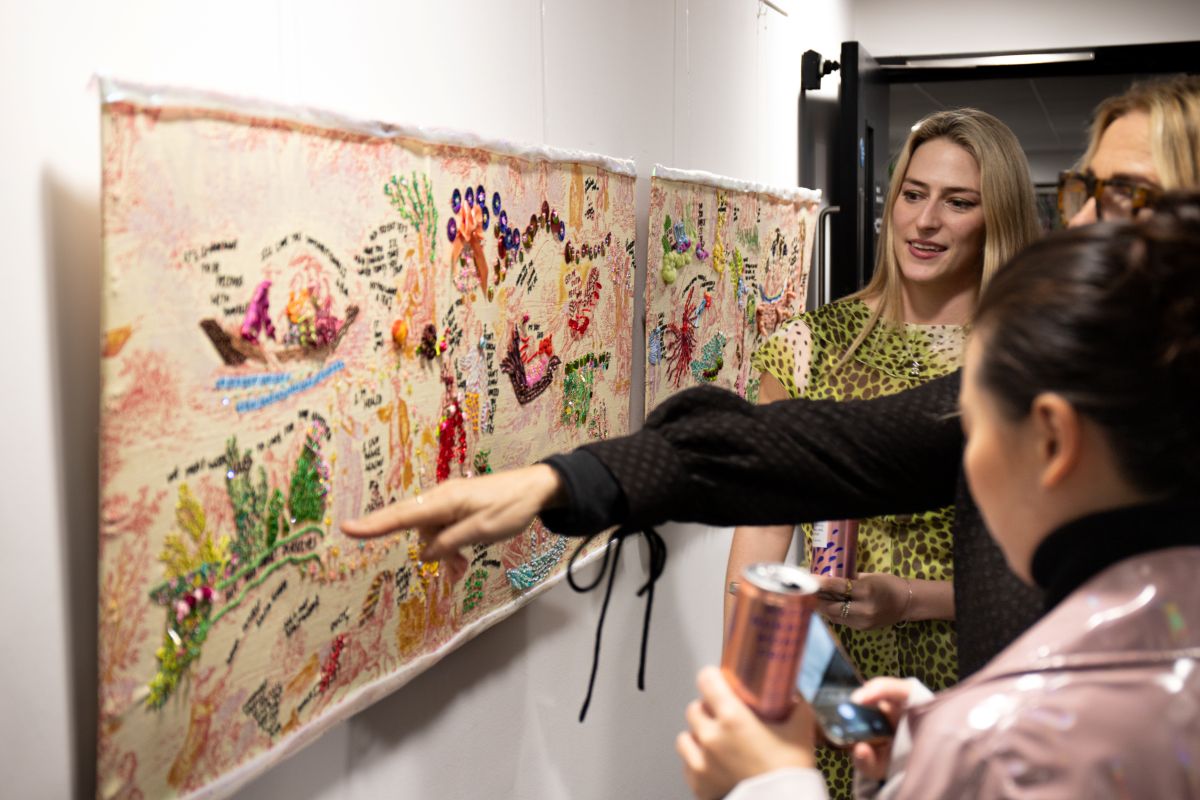
This image is courtesy of Creative Health Camden
ROBIN: Finally, Cengi, what are the ways that people can support the Poorly community?
CENGI: The evident response would be of course, read the tales, but that’s not always going to be the case for everyone, and that’s perfectly fine. I would say, even if it’s not reading the tale, it’s acknowledging the tale and holding a conversation with yourself or another person.
I always say Poorly is a small yet mighty initiative. We’re very grassroots. So I hope that if there’s a point in the conversation that we’re not seeing, connect with us.
If there is something that someone may want to work on, if we have the capacity to do so, and it aligns with our mission, we can keep conversations alive through different forms. Not everything’s going to necessarily exist through an editorial piece or an event. Collaboration is key.
But I would say that the one way that Poorly can be supported is by holding a conversation. That’s the whole purpose of Poorly – encouraging and holding a conversation.